Living in Kuala Lumpur: What Does It REALLY Cost Per Month?
Living in Kuala Lumpur: Key Figures
- Rent (1 bedroom): $400 to $700 USD/month.
- Rent (3 bedrooms): $700 to $1,400 USD/month.
- Health Insurance (catastrophic): $130 USD/person/month.
- Comprehensive Health Screen: $317 to $481 USD.
- Transport (Grab taxi): 4 to 5 times cheaper than in the US (e.g., 7 min ride for $1.30 to $2.09 USD).
- Internet: $20 to $25 USD/month (100 Mbps).
- Electricity: $60 to $75 USD/month (1 bedroom, with AC).
- Housekeeping: $25 USD for 2 people (1 bedroom).
- Massage (60 min): $22 USD.
- Pedicure: $15 USD.
Kuala Lumpur, Malaysia, is a world-class city often underestimated by Americans but increasingly popular with Australians and Europeans. The YouTube channel Touchdown Money Travel, hosted by American digital nomads Scott and Maddy, shares their detailed three-month experience and the cost of living in Kuala Lumpur. They highlight how it's possible to maintain, or even improve, one's lifestyle while spending less.
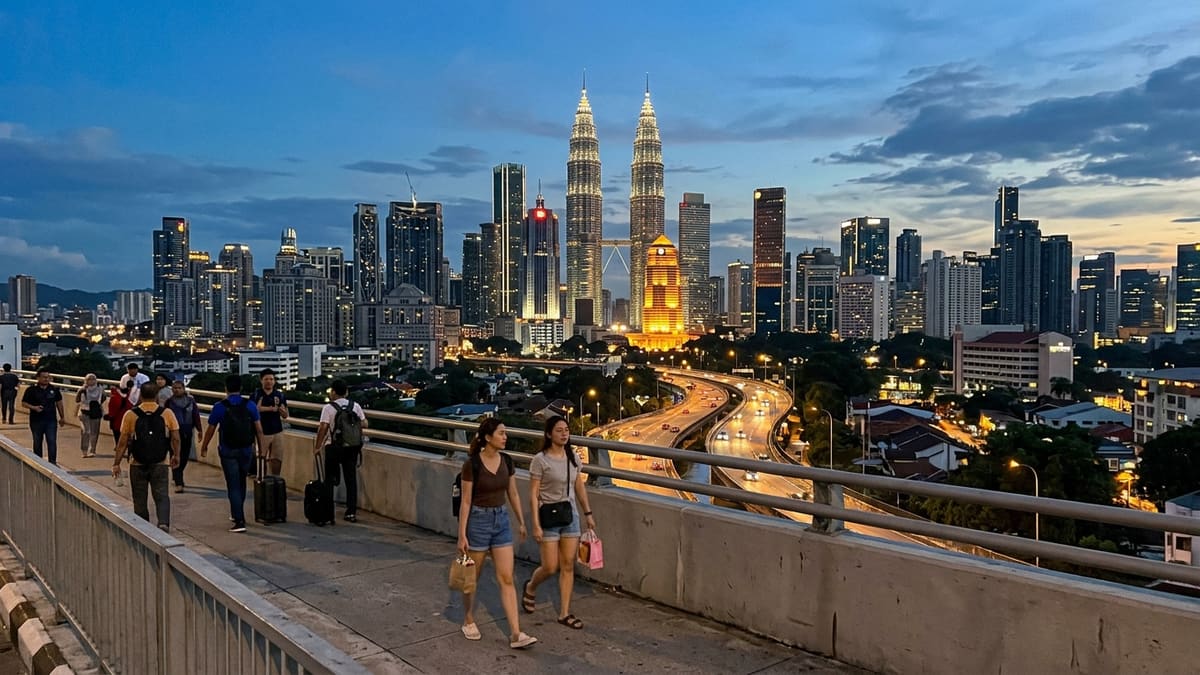
Cost of Accommodation in Kuala Lumpur: Rents and Amenities
Rent is often the most significant expense, and in Kuala Lumpur, it offers incredible value. Scott and Maddy from Touchdown Money Travel share their experience with a furnished condo in the lively Bukit Bintang area, which they rent for $864 USD per month. This price includes access to two beautiful swimming pools, fitness centers, and walking proximity to over 50 restaurants, nightlife, a supermarket (Jaya Grocer), and massage parlors.
By signing a one-year lease, you can expect even better prices. A one-bedroom apartment typically costs between $400 and $700 USD per month, depending on the neighborhood and included amenities. For larger needs, a three-bedroom apartment can be found for $700 to $1,400 USD per month. These prices are significantly more affordable, often less than a third of what one would pay in places like South Florida, even when accounting for utilities.
Quality and Costs of Healthcare for Expats
Malaysia is renowned for its excellent quality of healthcare, a key factor for those considering living in Kuala Lumpur. Expats can access high-quality medical services for a fraction of the cost compared to many Western countries, making it a destination for medical tourism. Scott and Maddy pay $130 USD per month per person for "catastrophic" health insurance.
They directly experienced the healthcare system:
- Maddy's comprehensive health check-up: $317 USD at an elite private medical center (Prince Court Medical Centre). The same tests in the US would have cost around $4,000 USD and would not have been covered by standard insurance.
- Scott's even more comprehensive health check-up: Cost $481 USD. In the US, comparable tests could reach $6,000 USD.
Maddy, a nurse with hospital experience, emphasized that the quality of care in Kuala Lumpur is comparable to, or even slightly superior to, American standards, depending on the facility. The medical staff is highly professional, speaks clear English, and many doctors are trained abroad (Europe or Australia). This ensures a safe and comfortable experience for expats seeking medical services, including potential surgeries.
Daily Expenses: Groceries and Restaurants
Kuala Lumpur offers a diverse culinary scene, from casual street food to high-end restaurants, all at competitive prices. Grocery prices can vary depending on where you shop; Touchdown Money Travel noted that their supermarket choices might have been slightly more expensive but still offered good value.
Examples of grocery prices in an "upscale" supermarket:
| Item | Price (USD) |
|---|---|
| Australian Grass-Fed Steak | $7.00 |
| Fresh Salmon Fillet | $7.00 |
| Organic Chicken Breast | $1.30 |
| Coca-Cola 1.5L | $1.00 |
| Drinking Water 6L | $1.75 |
| Carton of 30 Eggs | $3.16 |
| Broccoli | $0.73 |
| Cherry Tomatoes (pack) | $0.89 |
| Ground Coffee (bag) | $7.59 |
| Protein Powder (bag) | $24.00 |
Restaurant Experiences and Costs:
Kuala Lumpur offers incredibly diverse and affordable dining options, from local street food to high-end restaurants. Touchdown Money Travel tried a variety of cuisines, including Malaysian, Sri Lankan, Indian, Chinese, and even excellent Italian dishes.
- Casual dining (e.g., Pedaling Street in Chinatown):
- Beef noodle soup: $3.80 USD
- Beef wonton soup: $5.82 USD
- 5 lamb skewers: $4.50 USD
- Kopi-O (black coffee): $1.25 USD
- Mid-range Malaysian (e.g., Madam Kwan's in a mall):
- Chicken curry dish: $3.52 USD
- Beef Rendang: $5.00 USD
- Chicken and mushroom rice dish: $6.00 USD
- Upscale Malaysian (e.g., Bijan in Bukit Bintang):
- Glass of Sauvignon Blanc: $7.59 USD
- Short Ribs (Rusuk Panggang): $24.80 USD
- Lamb Curry (Kambing Masak Kuzi): $17.71 USD
- Mocha/Cappuccino: $3.04 USD
- Large bottle of table water: $1.27 USD
- High-end Italian (e.g., Zenzero):
- Rack of lamb: $42.00 USD (described as the "best lamb of our lives")
- Fresh pasta with meat sauce: $22.00 USD
- Espresso: $3.00 USD
- Italian red wine: $11.00 USD
An important detail: in Malaysia, and specifically in Kuala Lumpur, tipping is not customary as a 10% service charge is generally included in the bill.
Transport and Getting Around in Kuala Lumpur
Public transport and ride-sharing services are very affordable in Kuala Lumpur. While walking is often preferred, Grab (similar to Uber) is a popular and economical option for longer distances. Here are some examples of Grab fares:
- 7-minute ride from TREC nightlife: $2.09 USD. This is significantly cheaper than in the US, where a similar 8-minute ride in South Florida cost $9.65 USD before tip. Rides in KL are generally 4 to 5 times more affordable.
- 7-minute ride to TRX Mall: $1.30 USD.
- 15-minute ride to the Botanical Gardens: $5.00 USD.
- 13-minute ride from Changkat Street nightlife: $7.30 USD.
The efficiency and low cost of Grab make navigating Kuala Lumpur very convenient for residents and visitors. Consider exploring Malaysian bus routes for long distances or intercity travel to save even more.
Internet, Electricity, and Domestic Services
Essential utilities and home services in Kuala Lumpur are also economical, contributing to the overall affordability of living in Kuala Lumpur.
- Internet: Costs between $20 and $25 USD per month for fast and reliable service, typically around 100 Mbps download and upload.
- Electricity: For a one-bedroom apartment with an additional office/bedroom, electricity bills range from $60 to $75 USD per month. This includes air conditioning use to cope with temperatures around 32°C (90°F) on hot days.
- Home cleaning service: A two-person cleaning team for a one-bedroom apartment costs approximately $25 USD, including a thorough cleaning of the entire apartment, microwave, and windows. This is a highly valued service given its affordability.
These rates illustrate that it is entirely possible to maintain a comfortable and clean living environment in Kuala Lumpur for most expat budgets.
Leisure Activities: Massages and Nightlife
Kuala Lumpur offers many leisure and entertainment options that are also very affordable, adding significant value to the expatriate experience.
Massages:
Massages in Kuala Lumpur are highly professional and offer excellent value for money compared to Western countries. Establishments are generally very clean and often allow you to choose essential oils like lavender or rose. Many places offer a foot wash as part of the experience, which is a nice touch often not found elsewhere. Maddy highly recommends treating yourself to a massage in Southeast Asia, and particularly in Malaysia. Compared to Bangkok, Thailand, the experience is similar, although Kuala Lumpur might be slightly more expensive due to fewer options or simply the specific establishments visited.
Here are some price examples:
- 60-minute back, foot, and shoulder massage: $22 USD
- 60-minute Thai massage: $22 USD
These prices are all-inclusive, with no additional tipping required.
Pedicures:
Pedicures in Kuala Lumpur offer similar quality and range of options (gel, dip) to those in the United States, but at a much lower price. The main difference might be the chairs, which are generally comfortable but not the elaborate large pedicure chairs found in some Western salons. A pedicure with classic polish costs around $15 USD, making it a very affordable luxury.
Nightlife:
Kuala Lumpur's nightlife is vibrant and significantly more affordable than in major American cities like Miami or New York. Drinks cost about half the price:
- Glass of wine: approximately $9 USD
- Cocktails: approximately $10 USD
- Beer: $5 to $6 USD
As with dining, a 10% service charge is usually included, so no additional tipping is necessary. Many establishments offer happy hour deals, allowing you to save even more. Cover charges are rare, and even when present, they often include drinks.
Pros and Cons of Living in Kuala Lumpur
Living in Kuala Lumpur offers a unique mix of advantages and a few disadvantages for expats to consider.
Pros:
- Affordable cost of living: As detailed, accommodation, food, transport, and services are considerably cheaper than in most Western cities.
- High quality of life: Access to modern infrastructure, luxury shopping malls, a diverse culinary scene, and quality leisure facilities.
- Excellent healthcare quality: Private hospitals offer high-level medical services at very competitive prices, with English-speaking staff.
- Diverse culture: A rich blend of Malay, Chinese, and Indian cultures, offering a unique cultural experience and varied culinary opportunities.
- Ease of communication: English is widely spoken, especially in business, tourism, and services, facilitating expat integration.
- Connectivity: Kuala Lumpur is a major hub in Southeast Asia, making travel to other countries in the region easy.
- Walkable neighborhoods: Areas like Bukit Bintang allow access to many amenities on foot, reducing the need for a personal vehicle.
Cons:
- Tropical climate: Constant heat and humidity all year round, with frequent rain, can be a challenge for some.
- Air pollution: Haze episodes linked to regional forest fires can affect air quality at certain times of the year.
- Traffic: The city can be prone to significant traffic jams, although public transport and Grab mitigate this issue.
- Work permit/Visa: Formalities for obtaining a work or residence permit can be complex and time-consuming.
- Cultural differences: Although the city is cosmopolitan, cultural adjustments may be necessary, especially concerning local customs and the majority religion (Islam).
Administrative Formalities for Expats Settling In
Settling in Kuala Lumpur as a foreigner involves administrative procedures. It is essential to research visa and residency permit requirements well in advance. The information below is general, and it is always recommended to consult official Malaysian government sources or the Malaysian embassy in your country.
Types of Visas and Residency Permits:
- Tourist Visa: For short stays. Most nationalities can enter Malaysia without a visa for periods ranging from 14 to 90 days. However, this visa does not permit work.
- Malaysia My Second Home (MM2H) Programme: A program for foreigners who wish to reside in Malaysia long-term. It primarily targets retirees or individuals with passive income. The program has recently been revised with stricter criteria (minimum age, higher financial requirements).
- Work Permit (Employment Pass): Required if you have a job offer in Malaysia. The Malaysian employer must sponsor and initiate the application. Different categories exist depending on the type of employment and salary level.
- Business or Entrepreneur Visa: For those wishing to start a business or invest in Malaysia. These visas can be complex and often require the support of specialized agencies.
- Spouse Visa: If you are married to a Malaysian citizen or a work permit holder.
General procedures:
- Document preparation: Valid passport (usually 6 months beyond the intended stay date), identity photos, application forms, proof of sufficient funds, job offer letters, marriage certificates (if applicable), etc.
- Application submission: Visa applications can be made at the Malaysian embassy or consulate in your home country, or sometimes directly with the Malaysian Immigration Department for certain types of permits.
- Health requirements: Some visas may require a medical examination.
For precise and up-to-date information, consult the official website of the Malaysian Immigration Department.
Social Environment and Networking Opportunities for Expats
Kuala Lumpur is a cosmopolitan city with numerous opportunities to meet other expats and integrate.
- Expat groups: There are many expat groups on social media (Facebook, Meetup) dedicated to Kuala Lumpur. These groups regularly organize events, outings, dinners, or sports activities. They are an excellent way to make friends, ask questions, and get practical advice.
- Clubs and associations: Sports clubs, cultural associations, or language clubs are often frequented by expats. Joining an activity you are interested in is a good way to meet people with similar interests.
- Nightlife and restaurants: Areas like Bukit Bintang, Changkat Bukit Bintang, or the TREC area are popular places for nightlife and dining, where expats and locals mingle.
- Events and festivals: Kuala Lumpur hosts numerous cultural events, festivals (Diwali, Hari Raya, Chinese New Year), concerts, and exhibitions throughout the year, offering opportunities to socialize and discover local culture.
- Coworking spaces: For digital nomads, coworking spaces are privileged places to meet other professionals, exchange ideas, and build a network.
The local population is generally welcoming and accustomed to the presence of foreigners, and the language barrier is often low thanks to the widespread use of English, which greatly facilitates social interactions.
🏆 Touchdown Money Travel's Verdict: The Value of Kuala Lumpur
Less Common Insights in Expat Guides
While many guides focus on basic costs, several nuances can significantly impact your expat experience in Kuala Lumpur:
- Walkable neighborhoods: Unlike some sprawling cities, Kuala Lumpur has surprisingly walkable areas like Bukit Bintang, where you can access a wide range of amenities without needing a car. This is a significant advantage, reducing daily transport costs and improving quality of life, a factor often overlooked.
- Quality vs. Price Perception: The video emphasizes that Kuala Lumpur is not just cheap; it offers exceptional quality for the price. This applies particularly to healthcare, where top-tier private facilities provide services at a fraction of Western costs. Many expats assume lower prices mean lower quality, which is not the case here.
- Cultural Adaptation: The ease of communication (medical staff and service providers widely speaking English) significantly reduces the stress associated with adapting to a new country. This is not just a convenience, but a practical benefit that contributes to a smoother transition for expats.
- Benefits of Long-Term Leases: As highlighted, securing a one-year lease significantly reduces monthly apartment rental costs, a detail budget-conscious expats should consider for maximum savings.
These points, as observed by Touchdown Money Travel, underscore the practical benefits of living in Kuala Lumpur beyond mere affordability, highlighting a rich and convenient lifestyle that truly offers exceptional value.
Ready to discover Kuala Lumpur?
If you're now convinced that Kuala Lumpur offers the lifestyle and affordability you're looking for, it's time to plan your trip!
Frequently asked questions
Is living in Kuala Lumpur a good option?
Yes, Kuala Lumpur is considered an excellent place to live, especially for expats and digital nomads. The city offers a high quality of life with modern amenities, affordable living costs, and diverse cultural experiences. It boasts excellent healthcare, efficient transportation, and a wide range of dining and leisure options, making it a comfortable and engaging place to reside.
What is the average rent for a one-bedroom apartment in Kuala Lumpur?
For a one-bedroom apartment in Kuala Lumpur, expect to pay between $400 and $700 USD per month, depending on the neighborhood and amenities offered. For a three-bedroom apartment, prices generally range from $700 to $1,400 USD per month.
How much does healthcare cost in Kuala Lumpur for expats?
Healthcare in Kuala Lumpur is very affordable and high-quality, especially in private medical centers. For example, a comprehensive health check-up can cost between $317 and $481 USD, which is significantly cheaper than comparable services in Western countries. Catastrophic health insurance can cost around $130 USD per person per month.
Is transportation affordable in Kuala Lumpur?
Yes, transportation in Kuala Lumpur is very affordable. Ride-sharing services like Grab are widely available and much cheaper than in many Western cities. A 7-minute Grab ride can cost around $1.30 to $2.09 USD, and even a 15-minute ride is typically about $5.00 USD.
Should you tip in restaurants and services in Kuala Lumpur?
No, tipping is not customary in Kuala Lumpur. Most restaurants and service establishments include a 10% service charge in the bill, so no additional tipping is expected or required.
What are the basic administrative formalities for a foreigner wishing to settle in Kuala Lumpur?
Administrative formalities include obtaining an appropriate visa (tourism, work, MM2H, etc.) before arrival or upon arrival depending on your nationality and duration of stay. A valid passport is essential, as are proofs of sufficient funds or a job offer. It is strongly recommended to consult the official website of the Malaysian Immigration Department (imi.gov.my) or the Malaysian embassy in your country for specific requirements and the latest updates.
How to find accommodation in Kuala Lumpur and what types of neighborhoods are there?
To find accommodation, online platforms and local real estate agencies are the most common ways. Popular neighborhoods for expats include Bukit Bintang (lively, central), Mont Kiara (upscale, family-friendly), Bangsar (trendy, residential), and KLCC (near Petronas Towers, luxury). Prices range from $400-700 USD for a one-bedroom apartment to $700-1400 USD for three bedrooms, often with amenities like a pool and gym. Long-term leases (one year) are generally more advantageous.